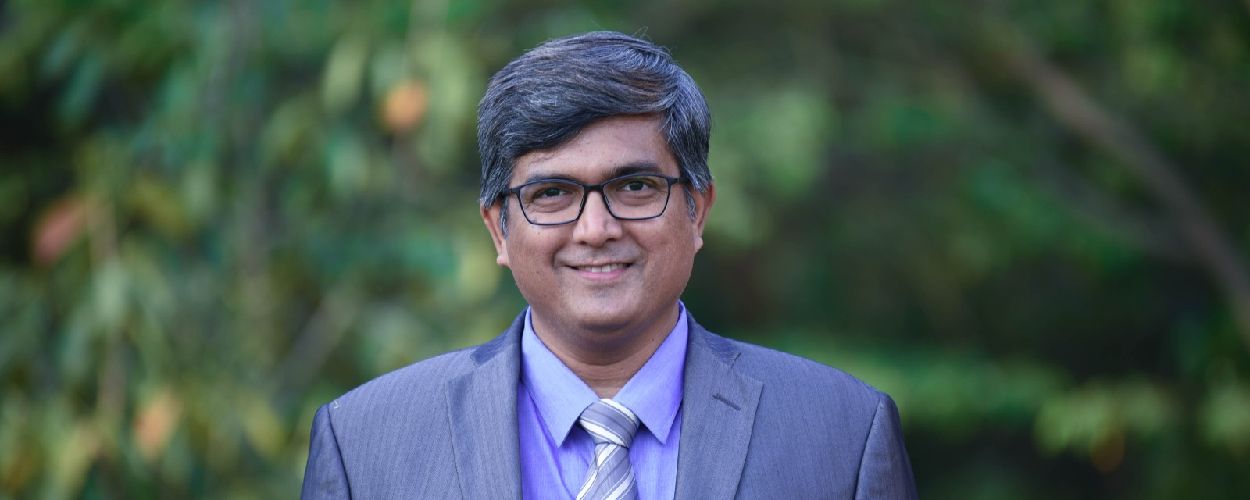


Avinash Shekhar, Co-Founder & CEO of Pi42, shares how market volatility is the new normal amidst geopolitical tensions and events globally.
The crypto market has entered a more interconnected phase in 2026, where global developments are shaping price action more visibly than before. In India, this is evident at scale; industry estimates based on government data suggest crypto transaction volumes in India crossed ₹51,000 crore (SGD 6,897,964.20) in FY 2024–25 despite regulatory uncertainty.
At the same time, investor participation is becoming more structured. Even amid geopolitical tensions, activity has remained steady, with consistent engagement and a more measured approach to market movements. Recent oil price spikes, shifting inflation expectations, and central bank signals are driving sharper shifts in liquidity and sentiment, making it important for participants to read the bigger picture.
From Episodic Swings to Continuous Volatility
Earlier cycles in crypto were defined by distinct phases, sharp rallies followed by prolonged corrections. Today, that pattern has shifted. Market moves are no longer event-driven alone but continuous and reactive, with prices adjusting far more frequently than before.
The market now responds almost instantly to geopolitical headlines, inflation data, and policy signals. Instead of isolated spikes, there is a constant state of movement where even small global developments can trigger sharp repositioning. Crypto’s 24/7 nature means it is often the first market to reflect these shifts, making volatility a regular part of how the market operates rather than an occasional disruption.
A Shift in Investor Behaviour
As markets become more dynamic, investor behaviour is evolving alongside them. The traditional buy-and-hold approach may no longer be sufficient on its own and is increasingly being complemented by more active, strategy-led participation.
Data reflects this shift. According to a recent industry study, nearly 60% of active traders now engage in daily trading, compared to about 45% earlier, with Gen Z investors forming a significant share of this growing, digitally native cohort.
More than just higher activity, this points to a more aware investor base that is actively navigating market movements rather than passively sitting through them. Participation today is increasingly influenced by strategy, rather than being driven purely by sentiment.
The Rise of Tactical Trading Mindsets
In today’s environment, investors are adopting a more responsive and tactical approach. Timing entries and exits, adjusting exposure, and reacting to short-term market cues are increasingly important, rather than relying solely on long-term holding.
This does not replace long-term conviction but adds another layer to it. Investors are learning to operate across timeframes, combining strategic positioning with tactical execution. In this environment, discipline is emerging as a key differentiator. Risk management, position sizing, and understanding market triggers are what help traders stay consistent.
Derivatives Move to the Centre
Derivatives are moving from the sidelines to the centre of trading strategies. Futures and options are no longer niche instruments and are increasingly being used as tools for navigating volatility. They allow traders to hedge positions, protect capital, and maintain flexibility in uncertain conditions.
In India, rising participation in crypto derivatives reflects this shift. The growing adoption of perpetual futures, in particular, highlights how traders are adapting to markets that operate continuously, where managing risk and staying agile matter just as much as capturing upside.
Unlocking Two-Sided Opportunities
One of the biggest advantages of derivatives is their ability to offer two-sided market opportunities. In the traditional spot market, gains depend largely on price appreciation.
In contrast, derivatives allow participation in both upward and downward movements, which can be useful in a market where direction is not always clear, though they require careful risk management.
Instead of waiting for momentum, traders can position themselves based on expectation. This flexibility is helping participants navigate fast-changing market conditions with greater confidence.
Inefficiencies Create Tactical Opportunities
Geopolitical uncertainty often leads to temporary inefficiencies in the market. Rapid, sentiment-driven moves can create short-term dislocations, especially in an asset class that reacts instantly to global developments. These inefficiencies are not a flaw but part of an evolving market structure, where gaps in pricing continue to emerge.
For informed and disciplined participants, this may create room to identify potential mispricing and act with greater clarity. In a fast-moving market, success is not just about managing risk but about timing, discipline, and the ability to respond with the right strategy and tools.
The New Normal for Crypto Market
The past year has made one thing clear. Volatility in crypto appears to be less of a passing phase and more of a structural feature of the market. This shift is visible through rising participation, stronger compliance, and a more informed investor base.
As digital assets integrate deeper into finance, their sensitivity to macro and geopolitical developments will grow. This reflects maturity, not weakness. For investors, success will come from adapting to changing conditions with discipline and strategy.
Crypto is evolving beyond simple cycles into a lively market. In such an environment, those who stay informed, adapt to changing conditions, and act with clarity are likely to be better placed to navigate what comes next.
Avinash Shekhar is the Co-Founder and CEO of Pi42, one of India’s crypto-INR perpetual futures and options exchange, where he aims to provide Indian investors with a comprehensive solution, offering crypto derivatives while prioritising compliance, tax efficiency, and a seamless user experience.
Stay updated on crypto and AI by following our socials