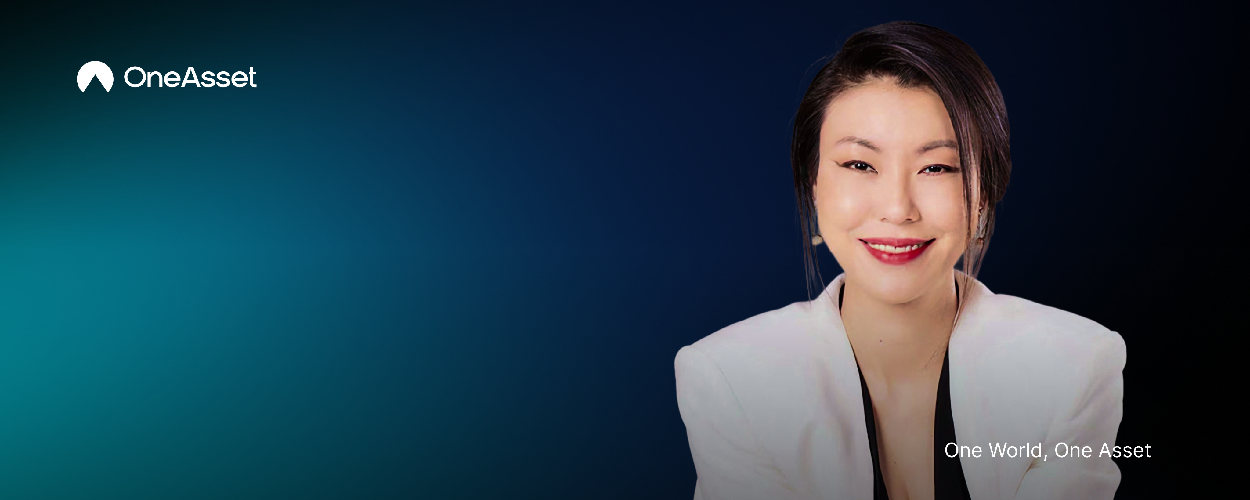


Sonia Shaw, CEO of OneAsset, shares what an invitation to tokenized real estate should carry with it.
An office building opens its doors every morning. People arrive carrying coffee, deliveries and plans for the day. Upstairs, a business is finding its feet. Someone steps out of the lift for a first day at work. A familiar face holds the door. Long before the building appears in an investment portfolio, lives are already taking shape inside it.
A building like this may once have felt beyond reach as an investment. Tokenization opens the possibility of participating through a smaller interest, represented digitally. That invitation should bring the investment itself into clearer view: how the property earns its income, what the legal arrangements entitle an investor to, and how the token represents that interest. As we make room for more people to consider ownership, we should make the rights and responsibilities easier to understand, too.
This is the work I believe we are here to do as we develop infrastructure for tokenized commercial real estate: help people see what they are stepping into, who they can turn to, and how those responsibilities will be carried through the life of their investment.
The Interest Behind the Token
Imagine someone considering an investment in that office building. Several businesses rent space there, and a company owns the property and collects the rent. The investor would buy shares in that company, represented digitally as tokens. Their way into the building begins with a shareholding.
Those tokens would appear in a digital wallet, the software through which the investor can view and manage them. The number on the screen tells them how many tokens they hold. To understand what those holdings mean, they need to follow the connection back to the company. In this example, they would own company shares, rather than an office or a floor. The value of those shares cannot be read from the token count alone.
As the investment comes into focus, the questions become more concrete. The tenants pay rent, but how much might reach the investor after costs? If a major decision lies ahead, would they have a say? Who keeps the ownership records, and who puts them right if something does not match? The answers lie in the relevant law, company arrangements and investment documents. A different structure could give the investor different rights, even if the tokens looked much the same in a wallet.
Before committing money, a prospective investor should be able to locate those answers and understand the limits. Plain explanations can help people examine an opportunity and recognise when it requires specialist advice or does not suit their circumstances.
The Building Needs an Answer
By mid-morning, the air-conditioning has stopped working on one floor. Tenants call the property manager as their meeting rooms begin to warm up. Businesses have a working day to get through. Representing the company’s shares as tokens does not move responsibility for the repair to the token holders: the manager still needs to coordinate a response, and the company needs to act through its agreed decision-making process.
An engineer recommends a substantial repair, with the property-owning company responsible for the bill. Paying it may leave less rental income available to distribute to shareholders. Who can authorise the work, and how will it be funded? Does the company hold a reserve, or is further approval required? The investment’s arrangements should make those responsibilities clear.
The investor may want to preserve income. The tenant needs usable premises. The manager needs instructions and resources. Their interests are connected, but they will not always align neatly.
For me, this is where infrastructure earns attention. Someone needs to arrange the work, record the decision and explain what the cost means for investors. The information needs to travel from the property manager through the company’s records into investor reporting. Digital tools can help it move, provided responsibilities and reliable inputs are established. The repair still needs doing.
People should not have to become investors to matter to what we build. A tokenized investment enters an existing place, with tenants, workers and contractual obligations. Keeping the premises usable matters for the people inside and helps sustain the rental income on which the investment depends.
When the Answer Does Not Come
Suppose the investor receives no meaningful update. They cannot tell whether the repair has been authorised or how it affects expected income. A contact form is available, but repeated messages produce no explanation.
What happens then?
Before that moment, the investor needs to understand what reporting they are entitled to receive, from whom, and what options exist if an obligation is not met. The documents should explain relevant complaint or dispute procedures, including any applicable jurisdiction. The practical time and cost of pursuing a remedy matter too.
There is no universal answer for every tokenized property structure. A small shareholding may carry limited decision-making power. A proposed route for complaints is not a promise of recovery. Those limits deserve the same clarity as the expected benefits.
The people building these systems should be prepared to demonstrate how a difficult case would be handled. Who receives the question? Who can investigate? What can be corrected, and how is the investor told? We should welcome those questions before a problem tests the arrangements.
Exiting Is Another Decision
The investor now considers selling. The technology may allow tokens to move between digital wallets, but a sale still needs a buyer who meets the investment’s rules and agrees on a price. Restrictions or approvals may apply. The cooling-system repair now enters the buyer’s assessment: what has been spent, what work remains, and what income might the building support? The same records that explain ownership help someone decide whether to take it on.
The Financial Stability Board’s 2024 tokenization report identifies liquidity and asset-quality vulnerabilities among the issues that can persist in tokenized finance. A new representation does not make the underlying investment’s difficulties disappear.
If no buyer appears, the investor may have to wait or reconsider the price. Any alternative exit, such as a company buyback, would depend on the specific terms. Meanwhile, the company’s responsibilities to the property and its investors continue. A transferable token does not guarantee a willing buyer.
What the Invitation Carries
The example ends with the same building. What has changed is how much of it we can see: rent reaching the company, a repair affecting potential payments to shareholders, and records helping the next buyer assess the interest. The people depending on the premises and the person holding the token are connected through those decisions.
I want the invitation into tokenized markets to make room for that understanding. Easier access has value when people can assess what they are entering and decide freely whether to proceed. There should also be room to learn without investing, to question an explanation, and to walk away from an unsuitable opportunity.
Responsibility will sometimes be inconvenient. A repair may diminish income. A clear explanation may cause someone to decline. The standards we set need to hold through those moments, and remain open to correction when they fall short.
Credible tokenized ownership should make it possible for investors to see what they hold, who is accountable, how decisions affect their investment and what conditions govern an eventual exit. The market infrastructure we build needs to keep those connections clear throughout the investment’s life.
Bring your questions. We should be willing to answer them, and to stay with the work those answers require.
Sonia Shaw is Co-Founder and CEO of OneAsset, where she leads the development of compliance, reporting and lifecycle infrastructure for tokenized commercial real estate. She brings fifteen years of experience across real estate funds, regulated investment structures and international market expansion.
Stay updated on crypto and AI by following our socials